Referral dependency
Word-of-mouth is valuable but unpredictable, making it difficult to forecast work and staffing needs.
upfit & fleet pipeline growth
Jo helps upfit and fleet service operators escape the feast-or-famine referral cycle by building a predictable outbound pipeline using Human + Machine growth to land 3-5 qualified fleet meetings every week.
Most upfitters are trapped in a referral cycle. Work comes in waves — bays are overloaded one month, idle the next. Referrals are strong but inconsistent, RFPs show up too late, and follow-up competes with daily shop operations.
LaborMap™ separates relationship-driven selling from repeatable outreach execution that can be supported by machine staffing and human oversight.
01
find the constraint
Use LaborMap™ to locate where pipeline gaps are creating idle capacity.
02
choose the work mix
Decide what stays human and what moves to machine execution.
03
recover capacity
Tie the plan to meeting volume, win rate, and bay utilization.
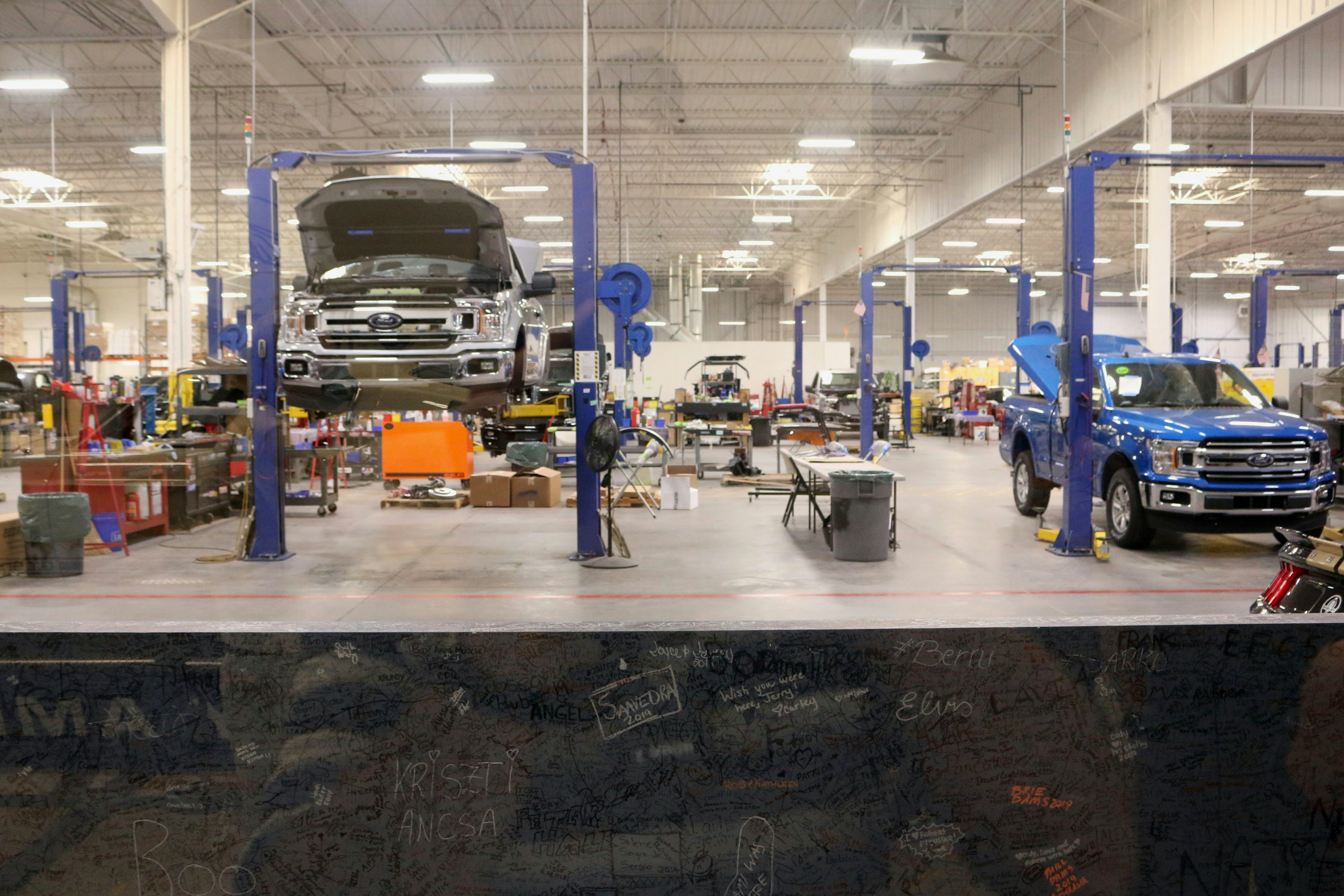
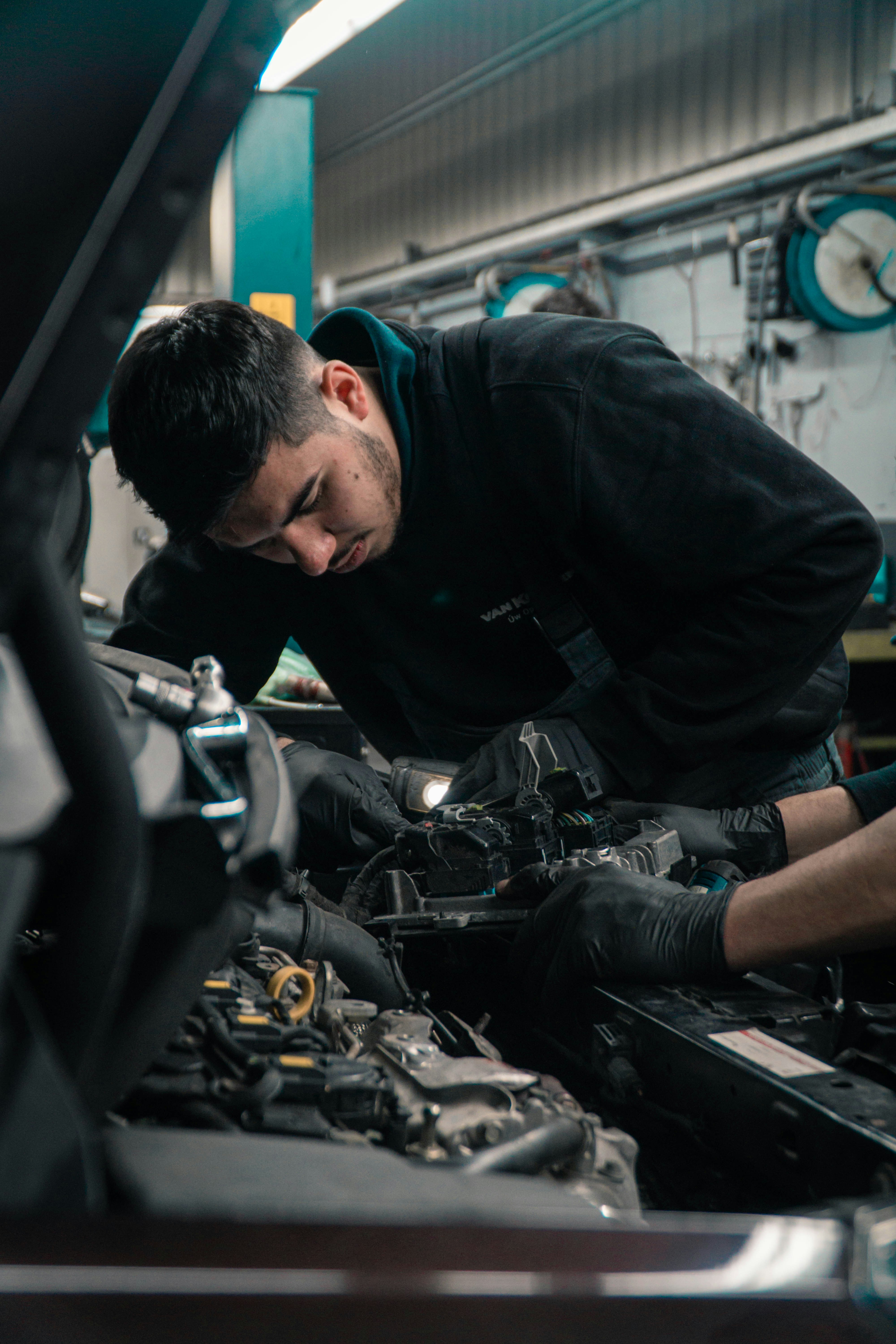
Upfit operators need to know where pipeline work is being lost to scattered account targeting, inconsistent follow-up, late-cycle RFP entry, and reactive sales activity.
Every claim should connect back to meeting volume, win rate, bay utilization, and revenue recovery.

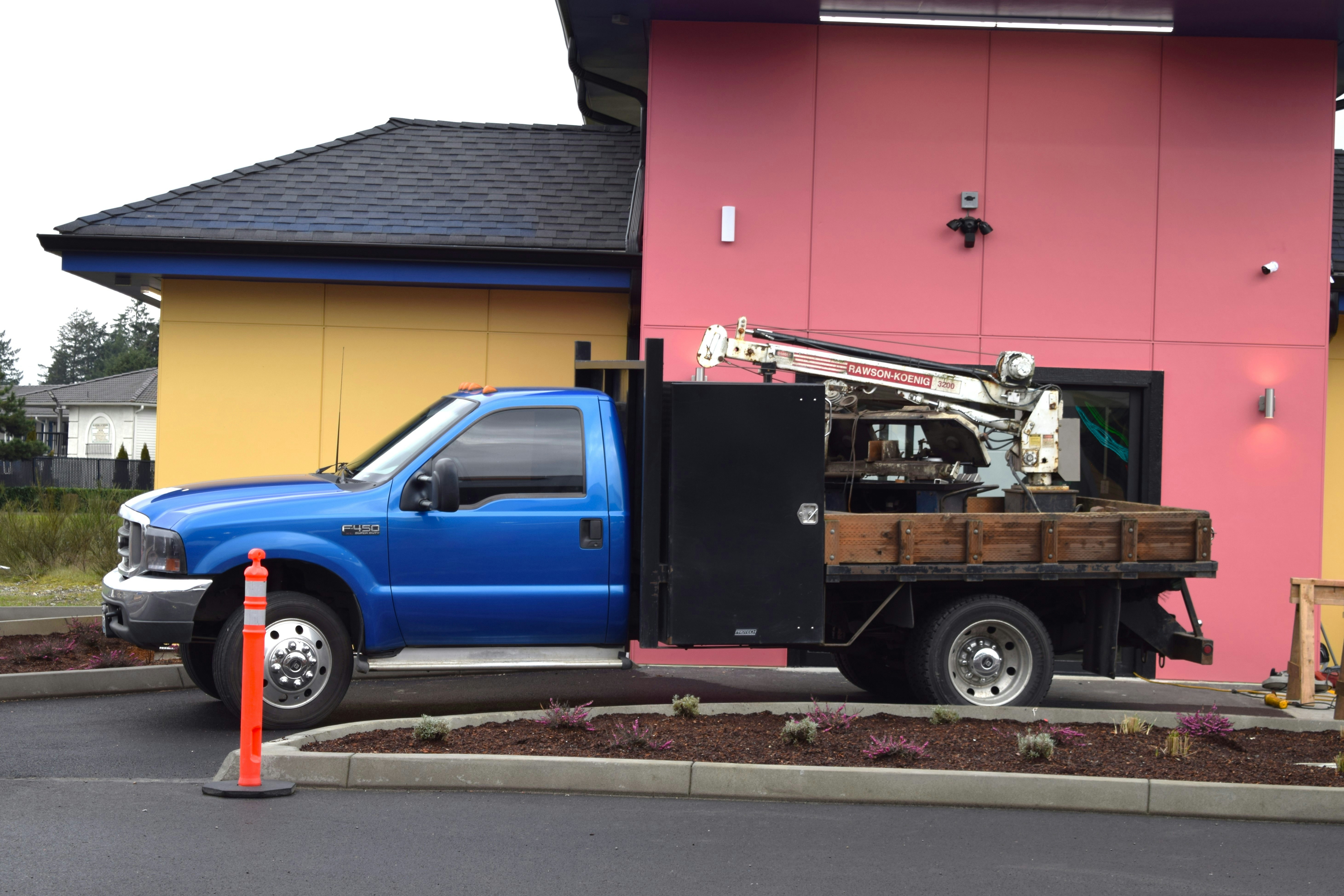
Word-of-mouth is valuable but unpredictable, making it difficult to forecast work and staffing needs.
Competing late in procurement cycles drives pricing pressure and lowers win rates on ideal accounts.
Inconsistent deal flow creates feast-or-famine scheduling across technicians, bays, and install crews.
Without a repeatable outreach engine, growth depends on random inbound requests and existing relationships.
Teams chase broad opportunities instead of prioritizing high-value fleet accounts by region and fit.
Sales activity follows pipeline stress rather than driving proactive market penetration.
3-5
qualified fleet meetings per week
90
days to a repeatable pipeline rhythm
Move repeatable prospecting, follow-up sequences, and meeting scheduling out of overloaded sales teams so relationship work stays with humans and outreach has coverage.
map pipeline drag →Use Human + Machine growth to support fleet outreach, municipal targeting, RFP pre-positioning, and pipeline reporting.
book demo →68%
of vendors describe the RFP process as painful
30%
of solicitations end with a single proposal
Use this guide to explain how referral dependency, scattered targeting, and reactive sales create pipeline constraints for upfit operators.
Read guide →Show how Jo maps pipeline work across prospecting, follow-up, scheduling, and account management.
Read guide →Use proof points to connect pipeline consistency, bay utilization, meeting volume, and revenue recovery.
Read guide →
answer first
Jo is a Human + Machine growth company for upfit and fleet service operators. The solution starts with LaborMap, identifies where pipeline work stalls, and designs a staffed growth model that keeps relationship selling human while machine execution supports repeatable outreach tasks.
Jo maps where fleet pipeline capacity is being lost to referral dependency, scattered account targeting, late-cycle RFP entry, and inconsistent outreach, then designs a Human + Machine growth model around the constraint.
LaborMap identifies the recurring pipeline constraint, separates relationship-driven selling from repeatable outreach execution, and ties the fix to meeting volume, win rate, bay utilization, and revenue recovery.
Relationship building, fleet consultations, technical scoping, pricing strategy, and account management stay with humans. Repeatable prospecting, follow-up sequences, meeting scheduling, and pipeline reporting can be supported by machine execution with human oversight.
The target outcomes are 3-5 qualified fleet meetings per week, a repeatable pipeline rhythm within 90 days, steadier bay utilization, and less dependence on unpredictable referral cycles.
Last updated: May 19, 2026
next step
Book a short strategy call and we will map your highest-value growth path.
© 2026 J0 from Corp. All rights reserved.
J from
from